Signals Recap
July 2026 Signals: 8 Stack Changes Worth Your Attention
July 31, 2026
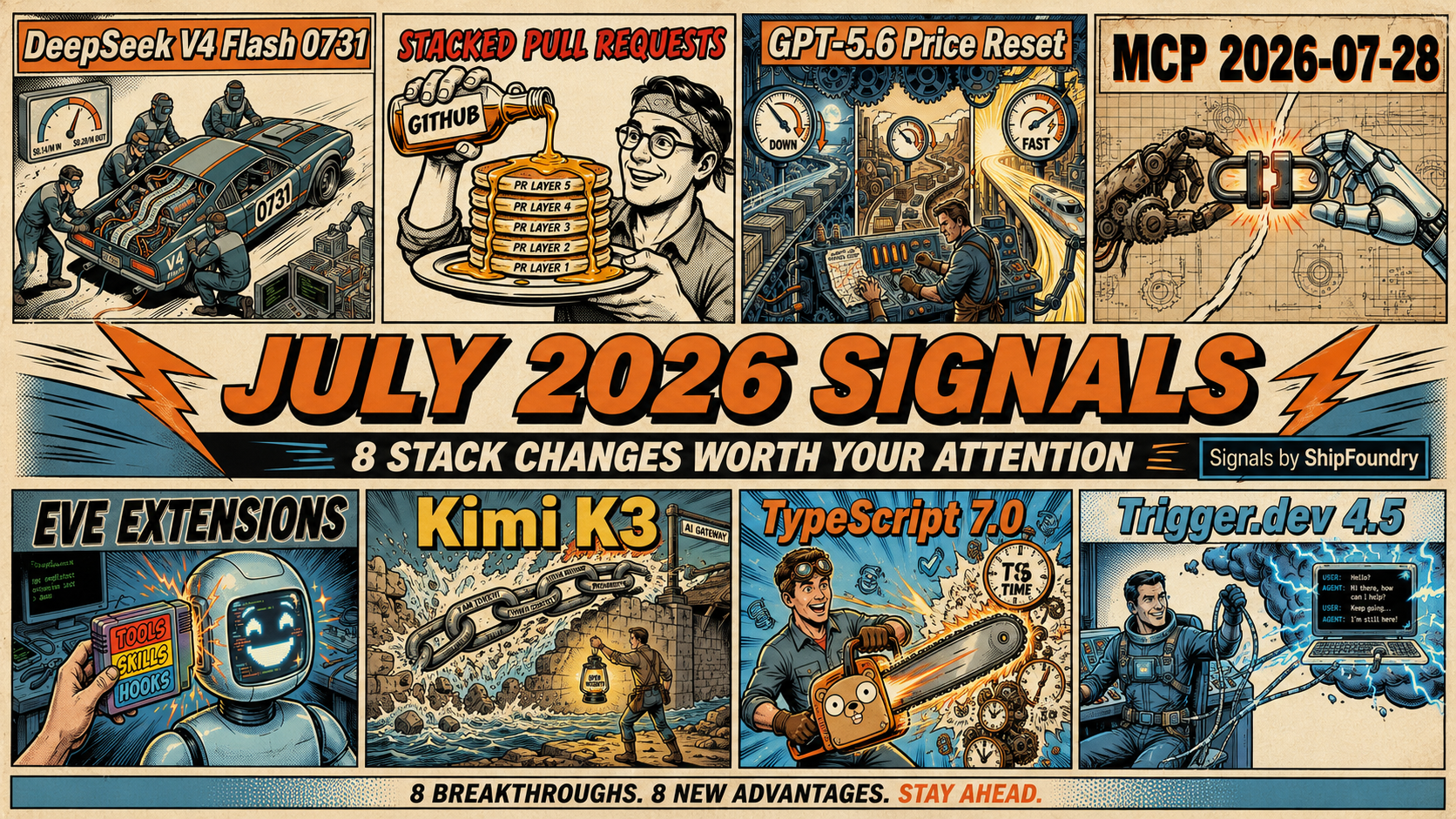
July was the month agentic engineering got cheaper, faster, and more operationally serious.
The biggest shifts were not one spectacular model launch. They were price resets, stronger open alternatives, durable agent infrastructure, faster tooling, and workflow primitives that make the entire system easier to run. These eight updates are the ones worth understanding before you decide what should enter your own product and engineering workflow.
The Signals
The individual updates behind this roundup.
DeepSeek API change log
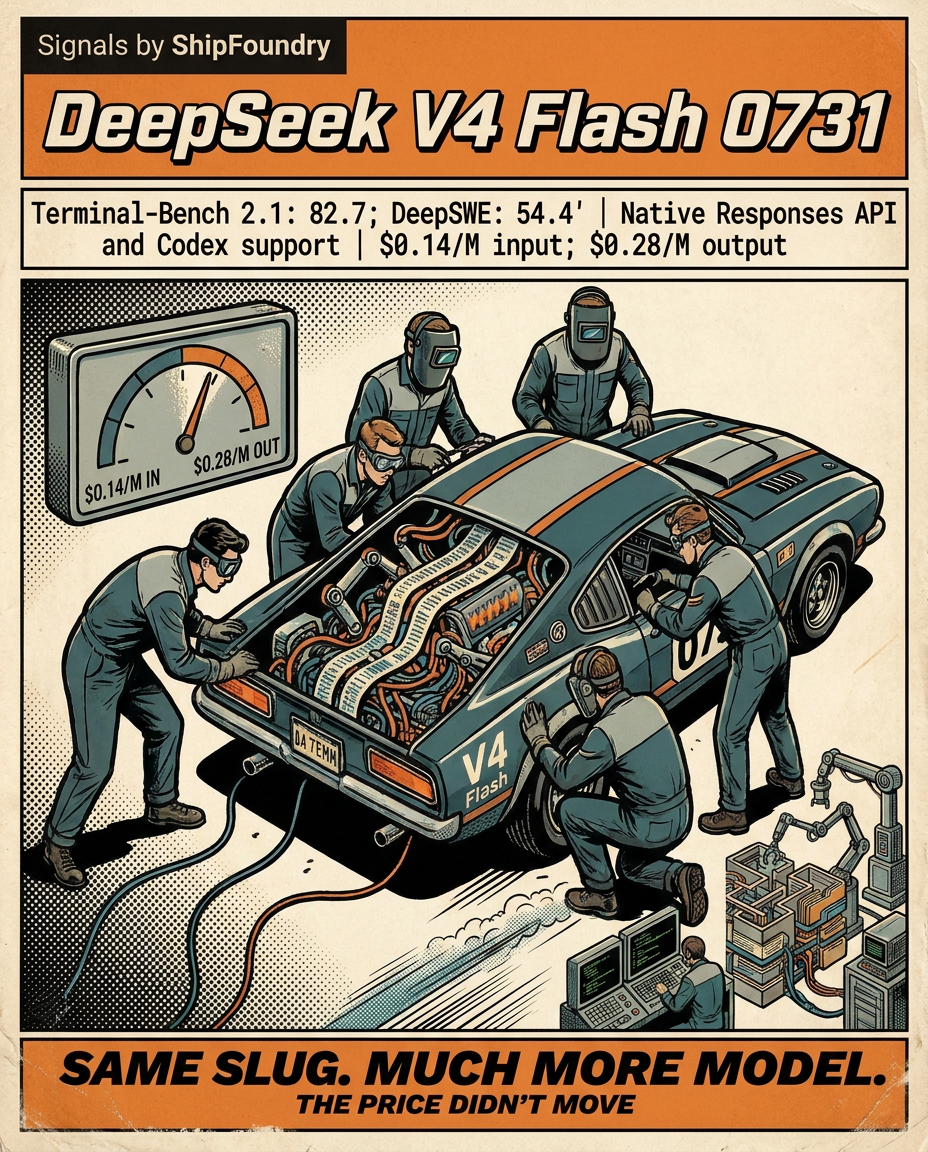
DeepSeek Gave V4 Flash a Major Agent Upgrade Without Raising Its Price
DeepSeek substantially upgraded V4 Flash’s reported agent performance without raising its tiny API price. It deserves a real benchmark for high-volume agent loops, not an automatic production switch.
Read The Full DeepSeek API change log Signal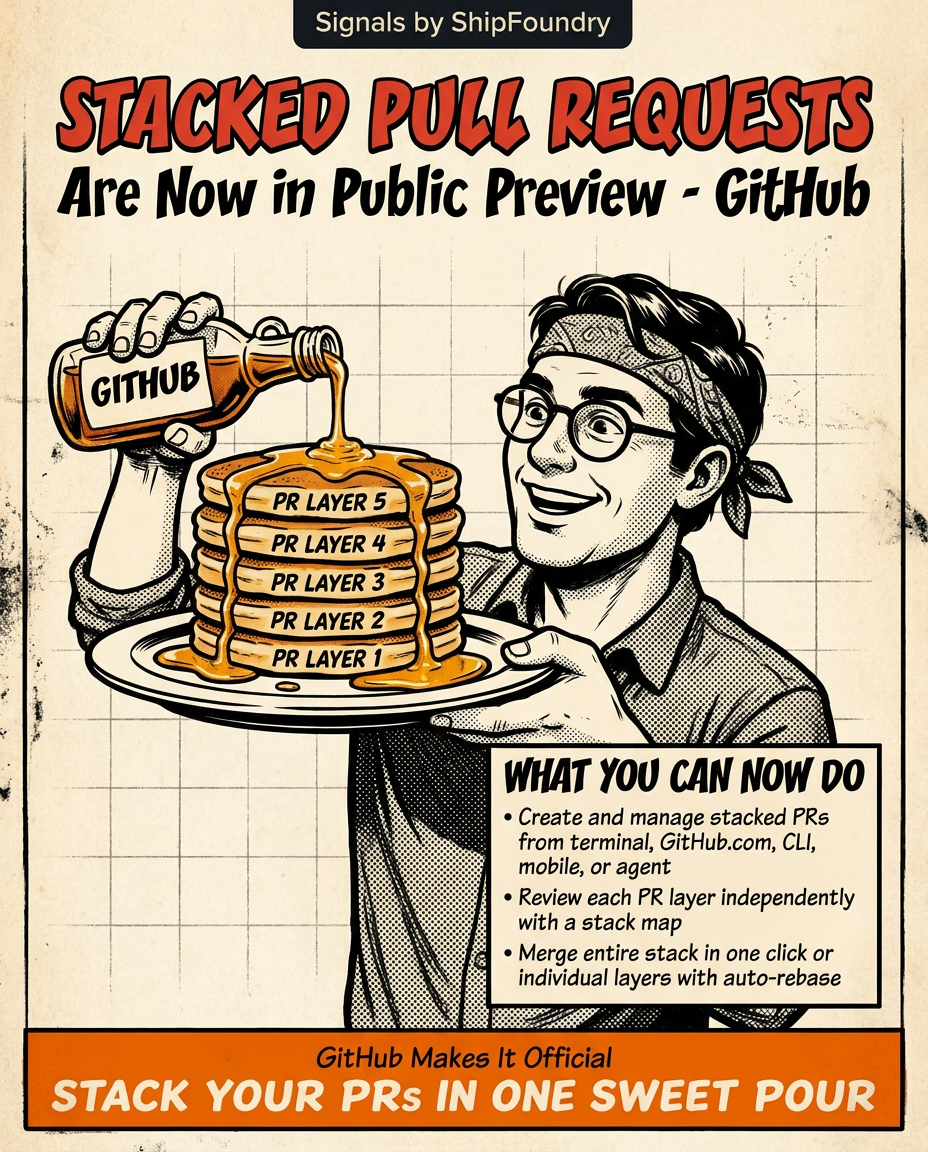
GitHub changelog
GitHub Stacked Pull Requests Are in Public Preview
GitHub made stacked pull requests native, including CLI and coding-agent support, automatic rebasing, and whole-stack merges. This matters most for teams trying to review large or AI-generated changes without one giant PR.
Read The Full GitHub changelog Signal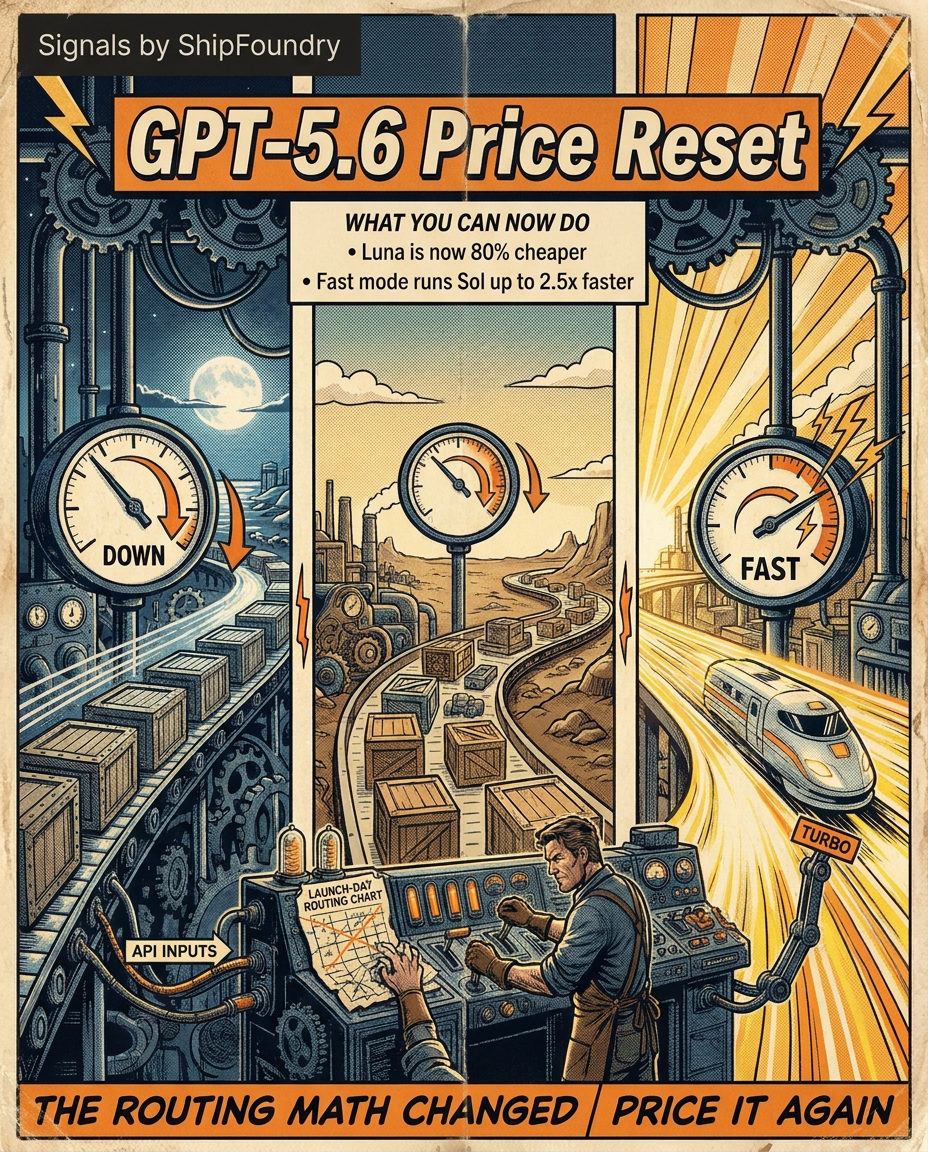
OpenAI API changelog
OpenAI Cut Luna's Price 80% Three Weeks After GPT-5.6 Shipped
OpenAI cut GPT-5.6 Luna’s API price by 80% and Terra’s by 20%, then replaced Priority Processing with Fast mode for Sol. Any routing decision made from launch-day economics is already stale.
Read The Full OpenAI API changelog Signal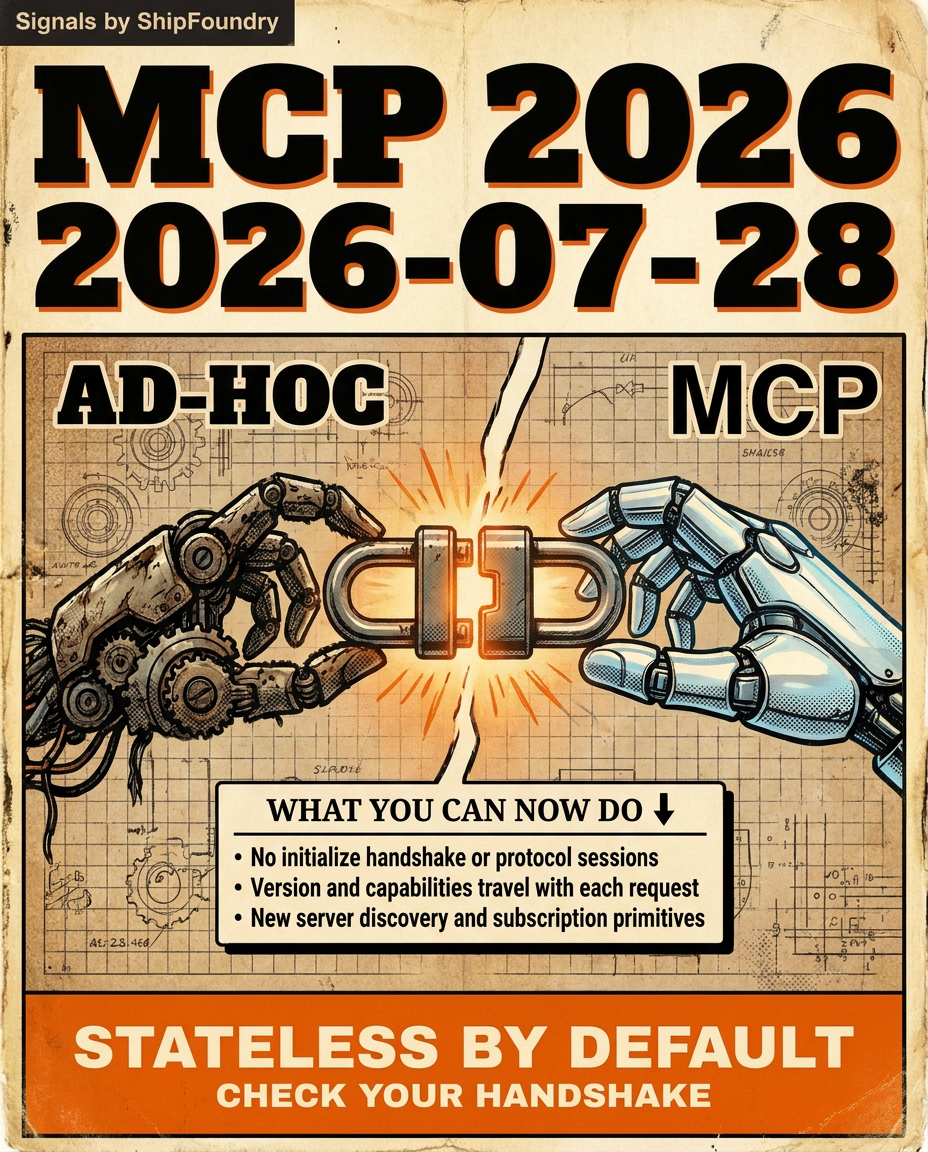
Model Context Protocol spec/releases
MCP Removes Protocol Sessions and Changes How Clients Connect
MCP’s new revision removes protocol sessions and the initialize handshake, moving version and capability context onto every request. It can simplify stateless scaling, but existing clients, servers, and SDKs need a deliberate compatibility migration.
Read The Full Model Context Protocol spec/releases Signal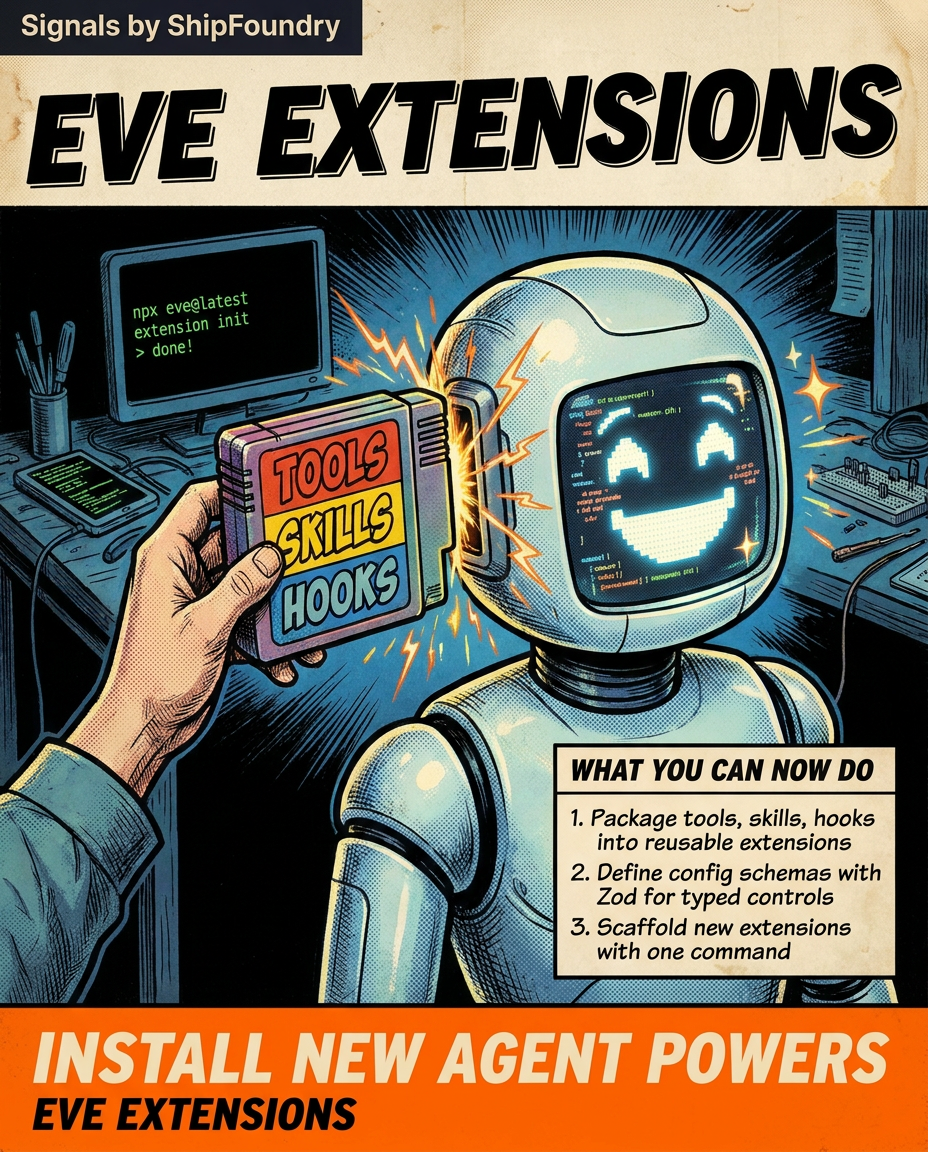
Vercel changelog
Vercel Eve Extensions: Package Manager for Agent Capabilities
Eve Extensions package tools, skills, hooks, and connections as versioned dependencies. It is a real modularity win inside the Eve ecosystem and irrelevant outside it.
Read The Full Vercel changelog Signal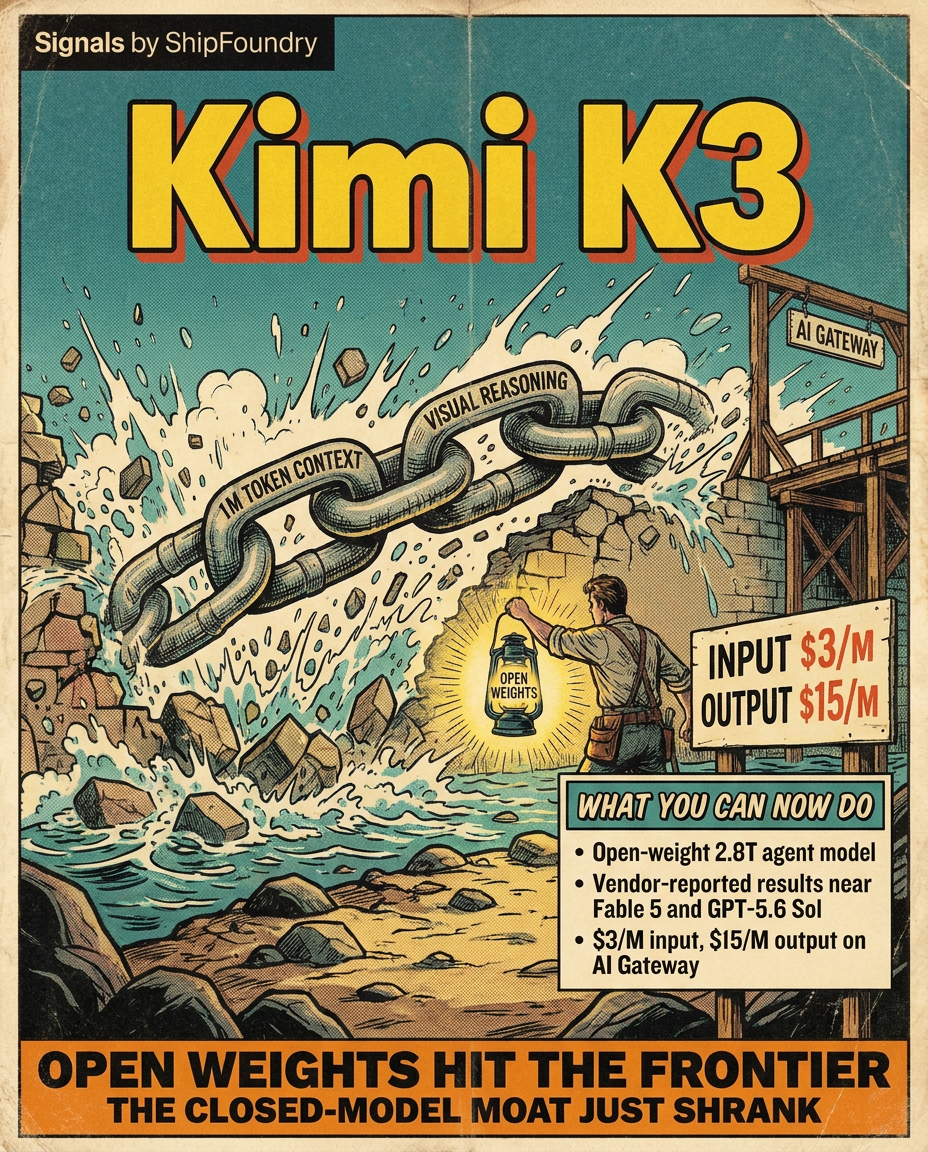
Vercel changelog
Kimi K3 Makes Frontier-Class Agent Intelligence Open-Weight
Kimi K3 brings open weights into the frontier-agent conversation, with vendor-reported results near premium models and a much lower managed API price. The structural shift is more important than any single benchmark.
Read The Full Vercel changelog Signal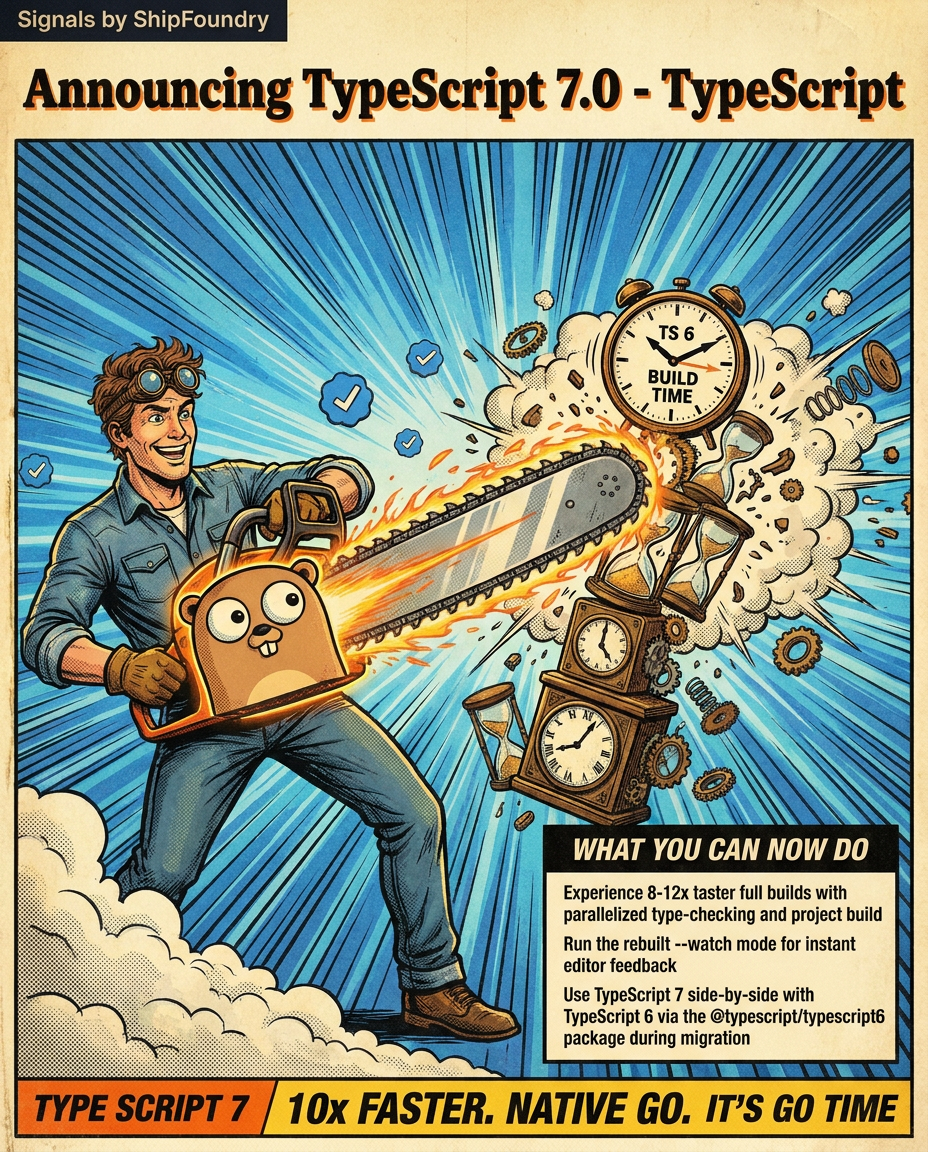
TypeScript blog
TypeScript 7 Ships: 10x Faster, but Maturity Has a Cost
TypeScript 7’s native Go compiler promises roughly 8 to 12 times faster full builds and parallel type-checking. Large codebases should evaluate it, while tooling authors and older projects may need to wait.
Read The Full TypeScript blog Signal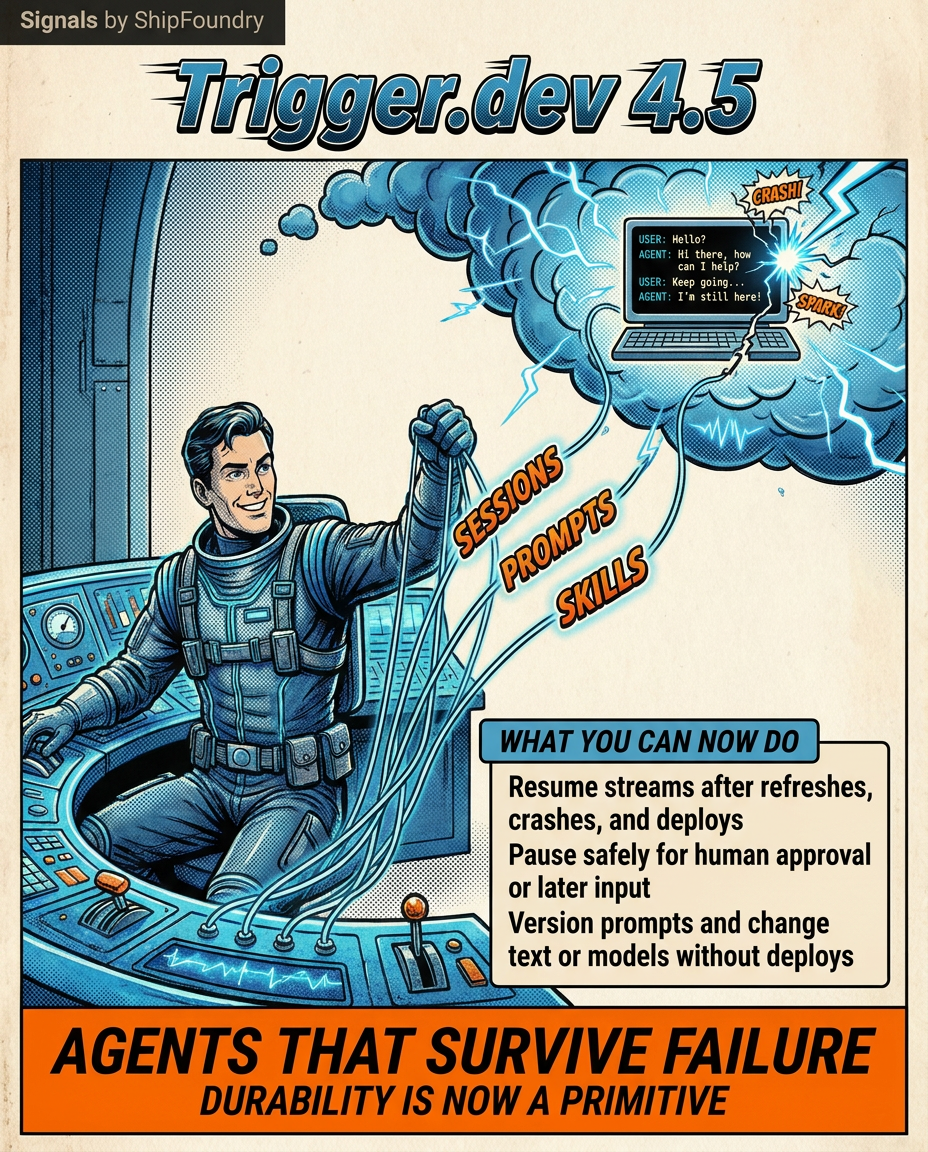
Trigger.dev changelog
Trigger.dev 4.5 Makes Agent Conversations Survive Crashes and Redeploys
Trigger.dev 4.5 turns chat agents into durable runs that survive crashes, reconnect streams, pause for human approval, and use versioned prompts. The value is not a smarter model, it is less reliability infrastructure to build yourself.
Read The Full Trigger.dev changelog SignalWhat July Changed for Agentic Builders
July’s strongest releases moved leverage away from raw model capability and into the system around it.
OpenAI and DeepSeek changed the price-performance curve. Kimi K3 narrowed the gap between open and closed frontier models. TypeScript 7 attacked the cost of the surrounding engineering loop.
At the same time, GitHub, Trigger.dev, MCP, and Eve made agent workflows more durable, reviewable, interoperable, and composable. The pattern is clear: the next gains will come from choosing the right model for each task and building a control plane that can survive long-running work, human review, and constant change.
The opportunity is real, but it is not universal. Each update only matters when the repository, workflow, scale, and platform choices make it applicable.